Mamunul Haque, a religious scholar and head of Bangladesh’s “Majlis-e-Khilafat” party—who recently visited Kabul with six other Bangladeshi clerics—says the Taliban assured them that the ban on girls’ education will soon be lifted.
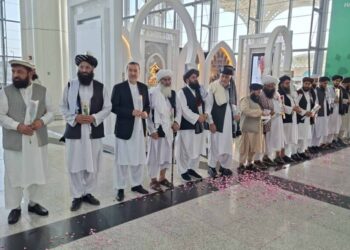
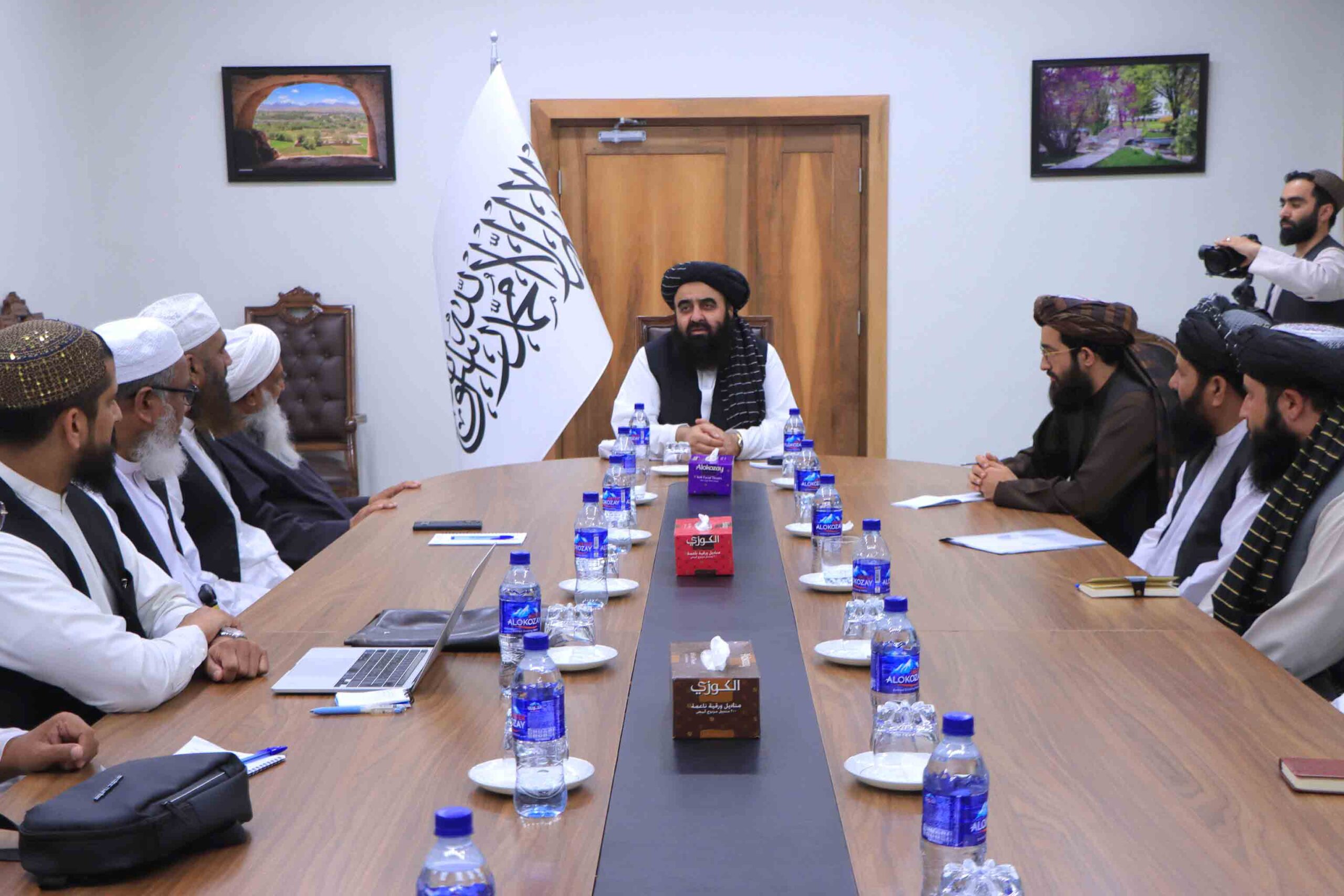
This delegation, during its eight-day trip beginning on 16 September, met several senior Taliban officials, including the group’s acting foreign minister.
In an interview with the Bangladeshi newspaper Prothom Alo, Haque said he observed many “commendable” things in Afghanistan, but the only objectionable issue was women’s education. Quoting Taliban officials, he claimed that Afghanistan’s previous educational system had become “un-Islamic” and the Taliban are working to “reform” it.
According to him, the Taliban aim to abolish co-education and create separate learning environments for boys and girls.
Haque said the Bangladeshi delegation raised the education issue with several Taliban ministries, including the foreign ministry, as well as the group’s chief justice. He said the Taliban promised that “girls will soon be allowed to continue their studies beyond grade six,” adding that officials told them, “We are working quickly on this, and you will hear good news.”
The delegation also met Abdul Latif Mansoor (Minister of Energy and Water), Abdul Manan Omari (Minister of Labor and Social Affairs), and Ali Ahmad (Deputy Minister for the Promotion of Virtue).
Meeting With the Taliban Foreign Minister
According to Haque, the Taliban foreign minister told the delegation that the group has representatives in all Arab countries except Kuwait. He added that the Taliban have formally requested Bangladesh to send a diplomat to Kabul, but Dhaka has not yet responded.
Haque said the Taliban asked the delegation to convey the issue of establishing relations to Bangladesh’s foreign ministry.
“Religious Scholars Can Run a Country”
Haque said the most striking observation for the delegation was that “those with religious training were fully capable of running a country.” According to him, “People with only religious education were managing all ministries and governing the country.”
He also claimed that although many Afghans possess weapons, “there is no war or theft.”
Haque said that despite sanctions, Afghanistan continues to function through customs revenue and mineral resources. He quoted Taliban officials saying the group provides monthly assistance to 800,000 families, including families of former Afghan government soldiers.
“Over 50% of Cases Resolved Without Lawyers”
Haque stated that in the Taliban judicial system, having a lawyer is “not mandatory,” but defendants may hire one if they choose. In most cases, he said, plaintiffs and defendants represent themselves. “More than 50% of cases are resolved without lawyers. This was very interesting for us,” he added.
“We Don’t Need a Taliban-Style Government in Bangladesh”
Despite expressing admiration for aspects of Taliban governance, the head of Bangladesh’s Majlis-e-Khilafat party said:
“We do not need a Taliban-style government in Bangladesh. Ninety percent of our population is Muslim; surveys by the National Social Commission show that 70–80% want a Sharia-based government.”