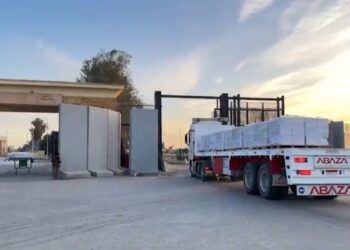
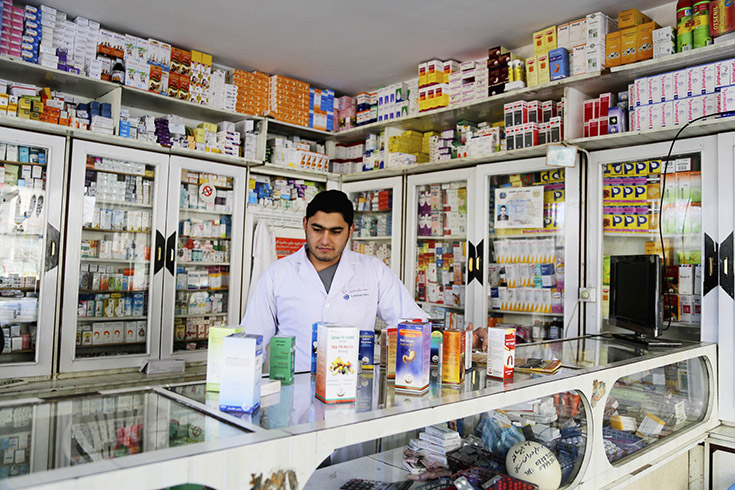
The New Humanitarian reported that the war in Iran has hit Afghanistan’s economy, which was already weakened by Taliban–Pakistan tensions. According to the report, medical equipment has become scarce and prices of basic goods have risen sharply.
Mohammad Rafie, who has worked in medical laboratories in Herat for 10 years, said technical medical supplies have significantly declined, forcing patients to move from one clinic to another even for simple tests.
He said, for example, a patient needing a progesterone test had to visit five different clinics.
“We can get medicine and syringes no problem. We have a lot of specific technical equipment that came from Pakistan and Iran, and now those supplies are running dangerously low.” Rafie said.
Food Prices
Before the Iran war began, Afghanistan was already experiencing rising food prices. The New Humanitarian quoted Abdul Hadi as saying: “When Pakistan closed its routes, prices immediately shot up by 40%.” He cited rice prices, saying a 10-kilogram bag increased from about 22$ to 39$.
The situation worsened after the start of the US and Israel war against Iran.
Abdulrahman, a vegetable seller in Herat, said traders previously relied on supplies from near the Iran border to offset shortages caused by closures of routes with Pakistan. But now that option is also gone, forcing further price increases.
He pointed to the items on his cart as examples: “Potatoes, tomatoes, and peppers; they all come from Iran,” he said, explaining how each of them had doubled in price over the last 40 days.
Large Return of Migrants
The World Food Programme warned that rising numbers of returnees from Iran could increase humanitarian needs in Afghanistan. The UN says more than 150,000 migrants have returned since the start of 2026.
Abdul Hadi said: “So many are returning because work is at a standstill.”
Unemployment was already high in Afghanistan, and the large return of migrants has further strained the labor market.
Rasheed, a 22-year-old plasterer, said: “Wherever you look, there are now four times more workers than before.” Everywhere you turn, there are now four times as many workers and not even half as much work.”
Officials from World Vision said the rise in returnees also means a sharp drop in remittances, which for millions of people in Afghanistan are a key source of income for food, healthcare, and education.