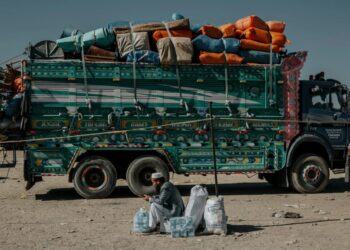
Someone accompanies me from afar. At first, he appears no larger than the tree he has just passed, but as he approaches, he grows larger and clearer. He reaches me, and we begin walking together—using our meeting as an excuse to wander through a city that seems determined to kill off every remaining spark of hope. We pass through Kabul’s crowded alleyways. We see flower-selling children offering single stems, one by one. We try not to show how much their misery weighs on us and continue walking. My companion stops, and just to have an excuse to buy from one of those children, he gifts me a flower.
Together, we begin singing aloud a song we recently discovered and both like. The looks around us grow strange, even disapproving—faces that make us think someone might grab our arms at any moment and ask, “Why are you promoting music?” That would be enough reason for them to bare their cruelty and unleash it on us. But this barren, empty city has nothing left worth being cautious about. So we keep going, singing until exhaustion stops us.
Walking in this city drains a person far faster than walking anywhere else; everywhere, symbols of destruction loom. By the river, our eyes fall on the memorial built for Farkhunda—reminding us that we live among people whose thirst for each other’s blood can surpass that of any enemy. And if fate ever gives them a pretext, you realize how easily another Eight Saur could repeat itself—again and again, in new forms.
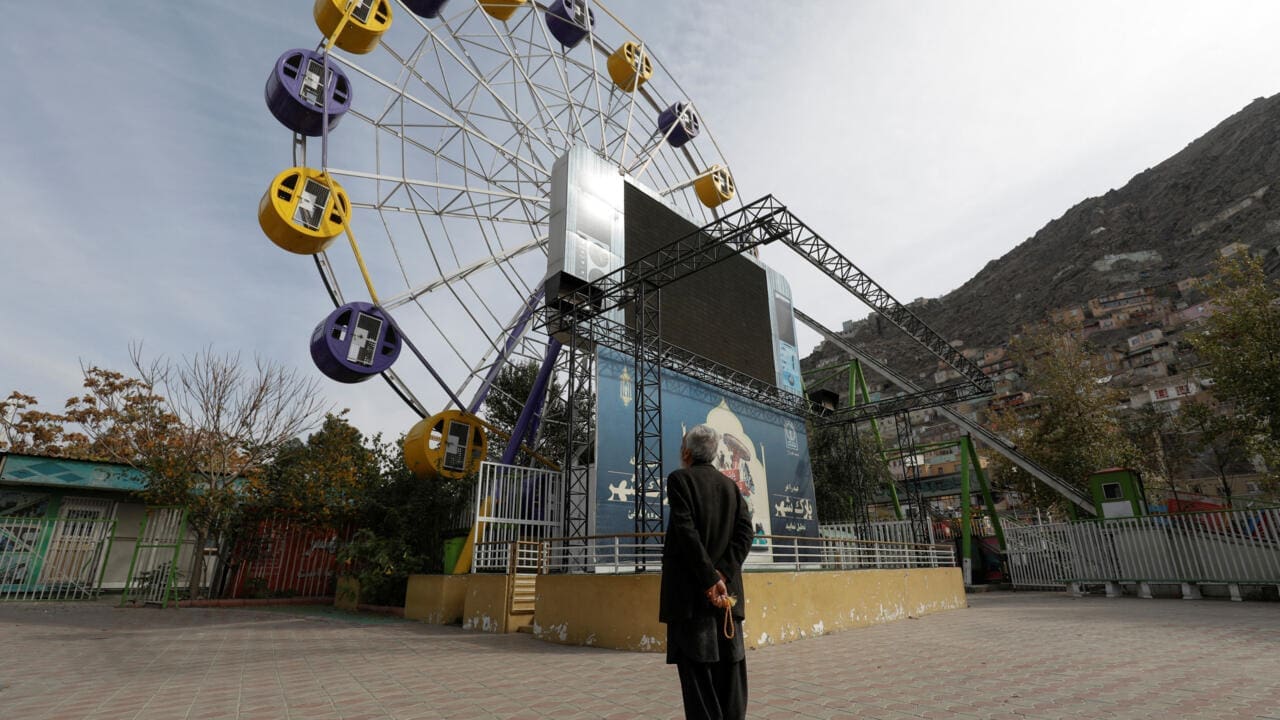
We grow tired and decide to head toward a small, beautiful park we know—a place to rest, breathe, talk, and laugh for a few minutes. We take shortcuts, hoping to arrive sooner. We reach it and see a large, old padlock hanging from the gate. We ask a nearby street vendor what happened. Longing for someone to hear him in this harsh, silent city, he begins to tell us the story.
He says that when the Taliban first arrived, they divided the park’s days between men and women. But they soon realized that—since both men and women are human beings and cannot be separated by imaginary walls in a society—this was impossible. Then they restricted women’s access to Fridays only. That too failed, as women came with their children or families and spent time together. Next, they banned all women from the park. That made things worse: women continued coming every day with their brothers or husbands, and the authorities could do nothing in the presence of a male guardian. Finally, they decided the only solution was to shut the park down entirely. Now, it has been closed for a long time—neither men nor women are allowed inside.
After hearing the story, my companion and I turn back. In complete silence, without exchanging a single word, we grieve for this city—this city trapped in a dead end.