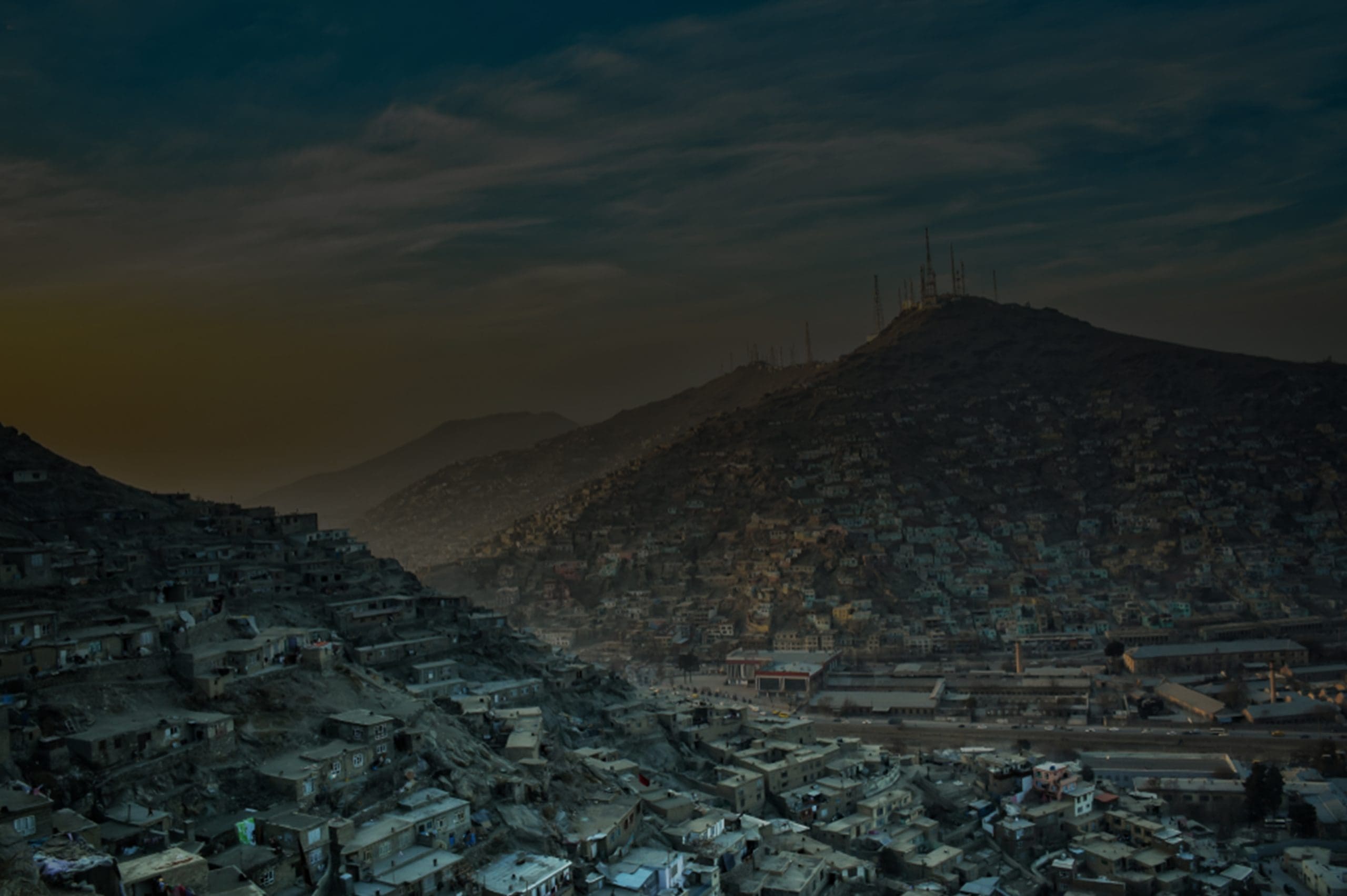
No one remembers a time when Kabul was a city “without problems,” even if we overlook the political instability and the routine bloodshed of the past half-century. It is impossible to ignore the challenges of urban life in Afghanistan’s capital: constant air pollution, the alarming negligence of successive governments toward this pollution—seen, for example, when municipal workers remove sewage from drains only to leave it beside the same channels so the sun can dry it, after which Kabul’s sharp winds scatter it like poison into the air residents breathe. Added to this are dozens of other serious, long-standing issues: chaotic urban expansion, overcrowding, water shortages, and the absence of basic health and educational services in many areas. These problems have never truly concerned any of the rulers who came and went, and the people of this city have remained so deeply submerged in this swamp that they no longer remember—no longer even imagine—that life could be better, healthier, more urban, more humane. And if the ruling authorities refuse to take these afflictions seriously, at the very least residents themselves could lessen the sting of some of these urban wounds.
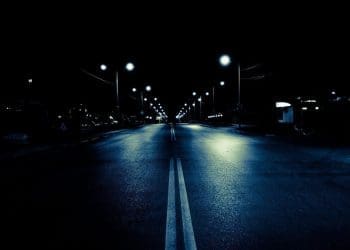
To all these issues—none of which are “minor” or “secondary,” and all of which hold the potential to become severe human catastrophes—one must add the persistent problem of electricity shortages. Kabul is regularly struck by the plague of darkness, and this plague has perhaps worsened since the collapse of the previous government. Historically, Kabul’s residents complained mainly about winter blackouts. Their roots lie in a practice established during the Mujahideen’s “jihad” against the People’s Democratic Party: destroying power pylons to deprive people of electricity in the hope that darkness would turn public sentiment against the regime. This mentality lingered among jihadist circles for years, and during the years of the neoliberal republic, the opposing jihadist faction—today’s ruling class—continued the same practice, targeting pylons and plunging the city into darkness. While the “Mujahideen” sought to take the light from the people, the “democrats” and “technocrats” sitting in Kabul’s palaces showed little urgency in restoring power, allowing blackouts to stretch longer and become more unbearable. I recall a winter when repairing Kabul’s power system took two entire months. During that time, residents grew exhausted from complaining, and officials remained so indifferent that people felt their voices were entirely unheard. This was not an isolated winter—every year, electricity in Kabul failed, either from storms, heavy snowfall, or attacks by armed opposition groups.
In the two years since the new regime took power in Kabul, it has managed to keep the city’s electricity mostly running—a sign in itself of how low public expectations have fallen. At the start, the widespread belief was that this regime would be unable to pay for imported electricity and that total darkness was imminent. That did not happen; electricity, unlike Kabul’s peace and hope, did not disappear completely. Yet even the power supply has not escaped the broader political shift. The first major change was shortening the billing cycle—from once every two months to once a month. The second was raising electricity prices to increase domestic revenue. Given the regime’s lack of international recognition and its recurring financial restrictions, it is not surprising that it seeks to fill its coffers by raising taxes, tariffs, and electricity fees.
But despite costlier electricity and more frequent billing, Kabul remains a dark city. This time, however, the darkness comes not in the freezing winter but in the scorching summer. It is clear that in summer, people depend far more on electricity—needing fans and cooling devices—while in winter many households, due to financial hardship, rely on firewood or coal instead of electric heating. Yet Kabul now experiences irregular, repeated summer blackouts—outages that signal an approaching winter that may be even darker and more difficult than before.