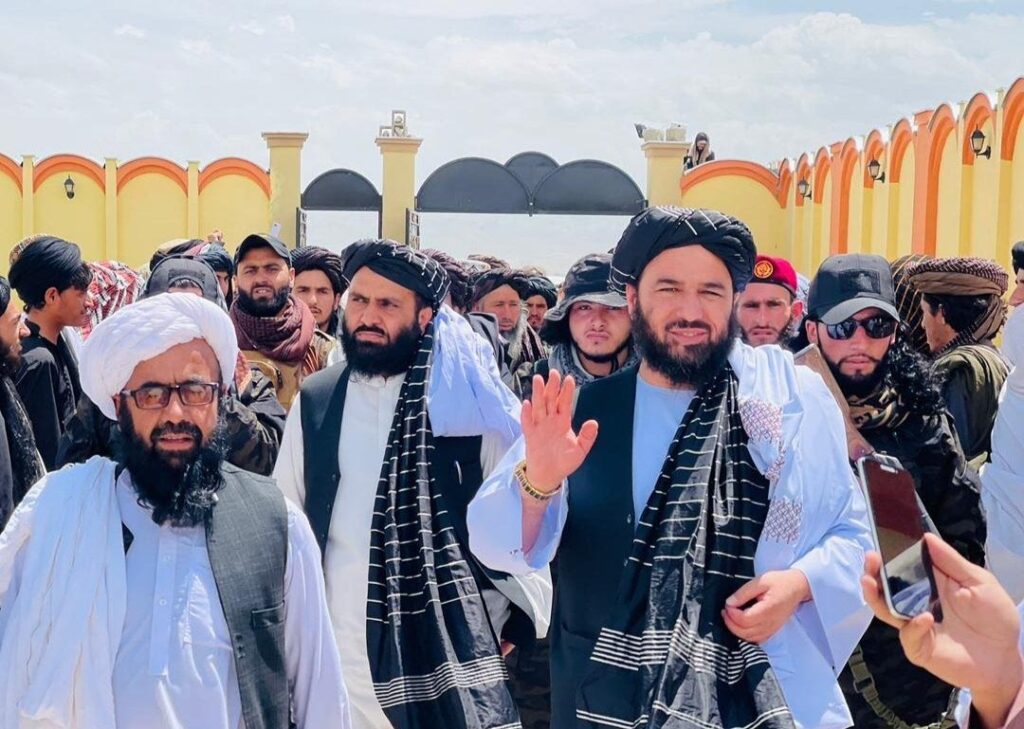
Juma Khan Fateh, the Taliban’s deputy governor in Zabul, said the group came to power “thanks to” religious schools, stressing that most Taliban officials are now religious scholars.
He added that he has a special interest in religious schools and is committed to serving them.
The Taliban lacks both domestic and international legitimacy and has been accused of using religious schools instrumentally to gain a degree of legitimacy.
During a visit to the “Siraj-ul-Uloom” madrassa in Shajoy district of Zabul province, Fateh said: “The country’s liberation was achieved through the blessings of religious schools, and these schools play an important role in reforming society and strengthening the system (the Taliban regime).”
He added that those educated in religious schools “held the front lines under difficult conditions” during the war against the international coalition and the former republic government and made “many sacrifices.”
Critics believe that religious schools in Afghanistan are largely under Taliban control and that the group uses these institutions to promote its ideology.
Taliban officials consistently emphasize the role of religious schools in Afghanistan. The group has closed schools, universities, training centers, and medical institutes to girls, while directing some of those deprived of formal education toward religious schools.