According to reports from the International Monetary Fund and the World Bank on the global economic outlook for 2025, the world economy continued to expand at a modest pace despite persistent uncertainties. Key features of this year’s economic landscape included gradually easing inflation, cautious adjustments in monetary policies among major economies, and continued but slower growth in global trade.
According to estimates from the International Monetary Fund, global gross domestic product grew by approximately 3.2 percent in 2025, slightly below the 3.3 percent expansion recorded in 2024. The figures indicate that the world economy continues its path to recovery after successive shocks in recent years, though growth remains slower than the pre-pandemic period.
Following the severe inflationary crises of 2022 and 2023 when global inflation peaked at roughly 8.7 percent in 2022 price pressures gradually eased in 2025. Average global consumer inflation fell to about 4.2 percent, reflecting the impact of the stringent monetary policies that major central banks had implemented in previous years to curb runaway prices.
The year proved complex for monetary policy. Central banks that had enacted aggressive tightening in 2022 and 2023 faced a delicate balancing act in 2025: while inflation was declining and economic growth remained moderate, some countries still experienced rates above policy targets. As a result, policymakers moved cautiously and incrementally in loosening restrictive measures.
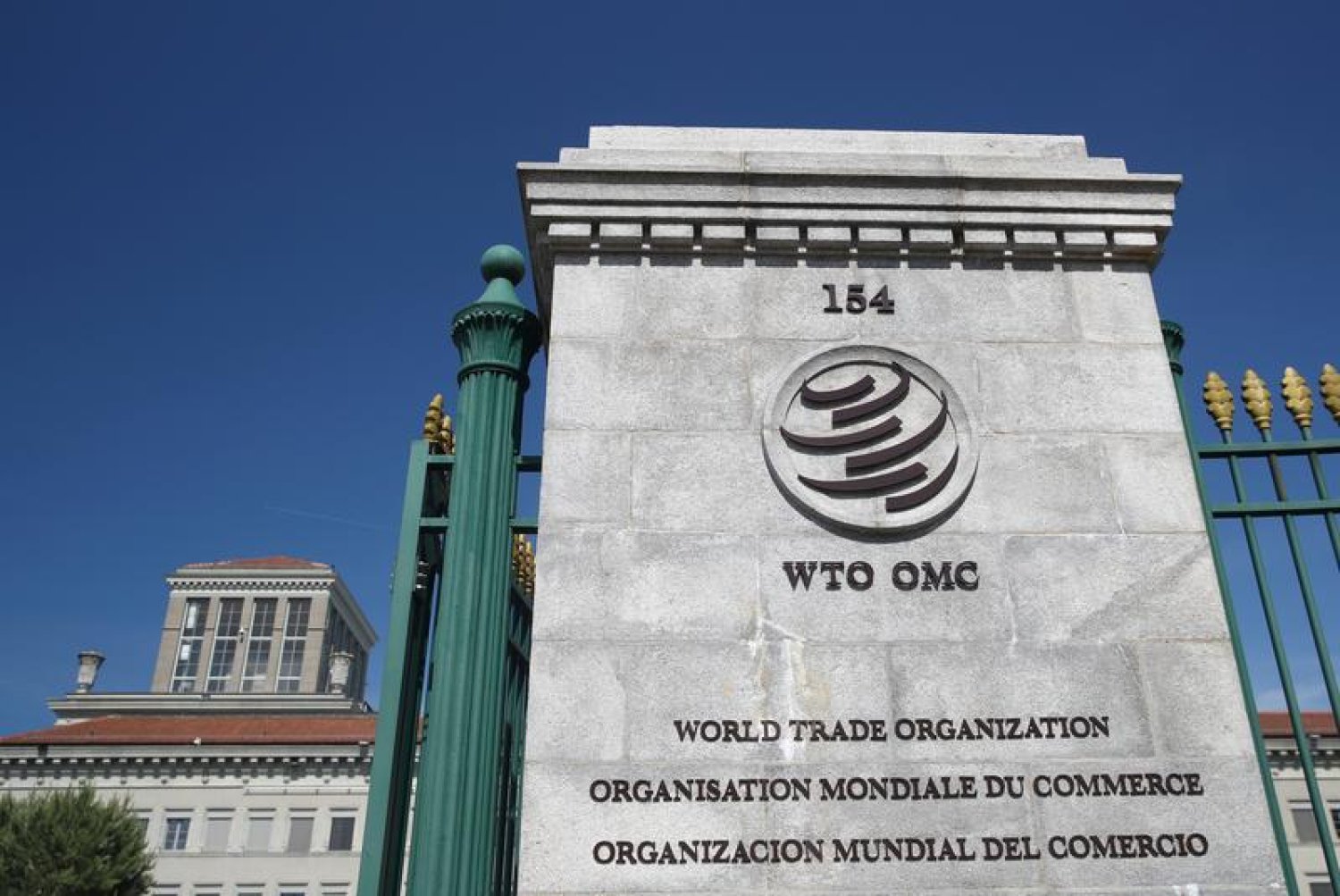
Global trade in 2025 was influenced by opposing forces. According to the World Trade Organization, world merchandise trade volumes rose between 2.4 and 3 percent, slightly above the 2.7 percent growth recorded in 2024, yet still below pre-pandemic historical averages.
At the same time, the first half of 2025 saw notable short-term volatility. WTO data indicate that merchandise trade volumes increased roughly 4.9 percent year-over-year during this period, while nominal trade values affected by price increases and shifts in commodity composition rose around 6 percent. These figures, however, pertain only to the first half of the year and cannot be generalized to the entire year.
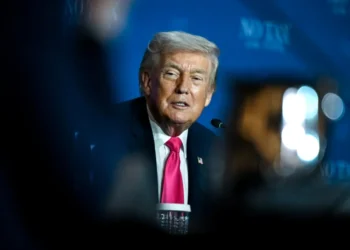
A key factor behind these fluctuations was a shift in U.S. trade policy early in 2025. The incoming administration adopted a more protectionist stance, announcing higher tariffs on imports from dozens of countries. Many exporters and multinational firms accelerated shipments to the United States ahead of the new tariffs, a phenomenon known as “front-loading,” which had a noticeable impact on global trade flows in the first half of the year.
Overall, the IMF described 2025 as a year of “gradual global inflation moderation.” While some countries particularly those under sanctions or facing structural crises—continued to experience double-digit or runaway inflation, the overall trend in global prices was downward. This allowed central banks in major economies to cautiously unwind restrictive policies. Experts, however, warned that the risk of inflationary resurgence remained, as shocks such as energy price spikes driven by geopolitical tensions could disrupt the trend.
Geopolitical tensions including the ongoing war in Ukraine, which continued from 2022 eased somewhat in 2025 but still affected grain and energy trade and transit routes through the Black Sea. Meanwhile, unrest in the Middle East contributed to oil price volatility and higher transportation costs, adding further pressure to international trade.
Throughout 2025, central banks in major economies gradually moved away from “inflation shock therapy” toward more moderate policies, while maintaining price stability as their primary objective. Signs of policy success became evident, providing the global economy with some breathing room for recovery.
One notable feature of 2025’s global economic landscape was a shift in the composition and diversity of traded goods. Demand surged for products linked to emerging technologies, particularly artificial intelligence and digital technologies. Reports indicate that merchandise such as semiconductors, telecommunications equipment, and other AI-related goods grew roughly 20 percent in the first half of 2025 compared with the previous year, accounting for nearly 42 percent of overall global trade growth. Large-scale investments in data centers and digital infrastructure, particularly in Asia, played a key role in this trend.
Regionally, inflation in the United States and Europe approached policymakers’ targets, paving the way for gradual adjustments to interest rates. In Japan, inflation finally surpassed the 2 percent target, reaching around 3 percent. In contrast, China faced persistently low or even deflationary pressures, necessitating expansionary policies, including interest rate cuts and increased liquidity in financial markets.