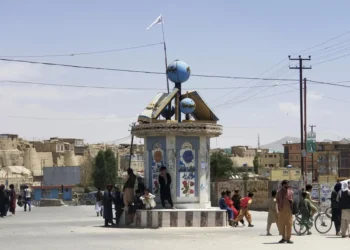
The United States announced that in 2026 it will provide $2 billion in aid to 87 million people across more than ten countries facing hunger and disease. Afghanistan, where half the population is in need of humanitarian assistance, is not included on the list.
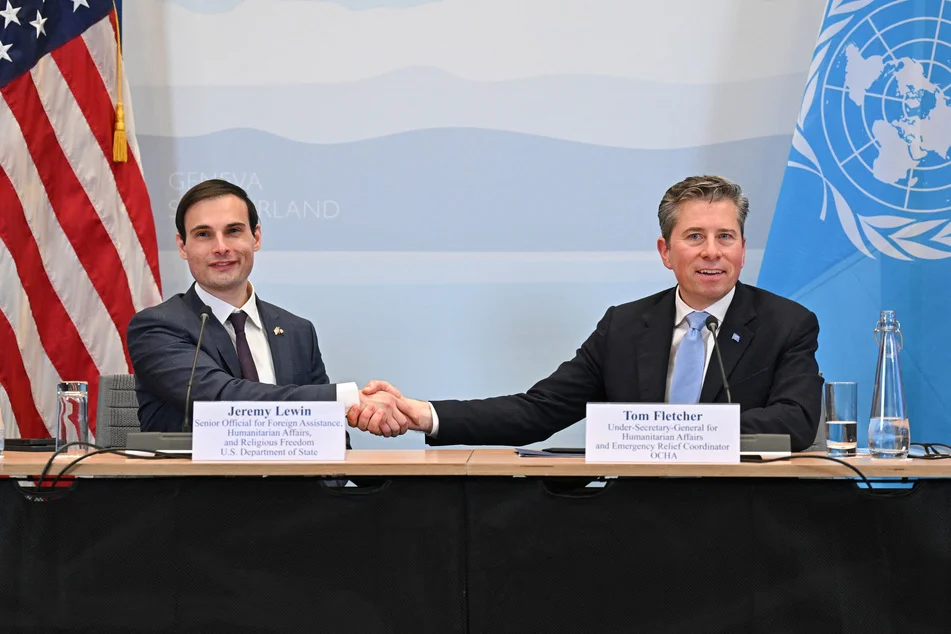
The U.S. State Department said yesterday that the funds will be distributed under the supervision of the United Nations Office for the Coordination of Humanitarian Affairs (OCHA).
According to the department, the initiative follows a new model aimed at increasing efficiency in aid delivery and improving accountability in the use of funds.
The United States and the United Nations will sign 17 memoranda of understanding with countries designated as “priority” by Washington.
OCHA chief Tom Fletcher noted that some regions considered priorities for the United Nations including Afghanistan, Yemen, and Gaza will not be covered under the new U.S. aid mechanism. The United Nations will seek support from other donors to fund these areas.
Jeremy Levine, U.S. deputy secretary for foreign assistance, humanitarian affairs, and religious freedom, said that as more funds are added to the program, additional countries will be included.
“These are some of the countries where I think our interests overlap… but over time, we will thoughtfully expand to include more,” Levine said.
Many countries have limited their humanitarian aid in recent years, instead increasing defense spending.
United Nations data show that U.S. humanitarian contributions to the organization fell to approximately $3.38 billion in 2025, down from $14.1 billion in 2024 and $17.2 billion in 2022.
A U.N. spokesperson said that Ukraine, the Democratic Republic of Congo, Nigeria, and Sudan are among the countries included in the new U.S. aid mechanism.