The Taliban, having rejected calls from their own opponents for negotiations, called for Yemen’s crisis to be resolved through dialogue.
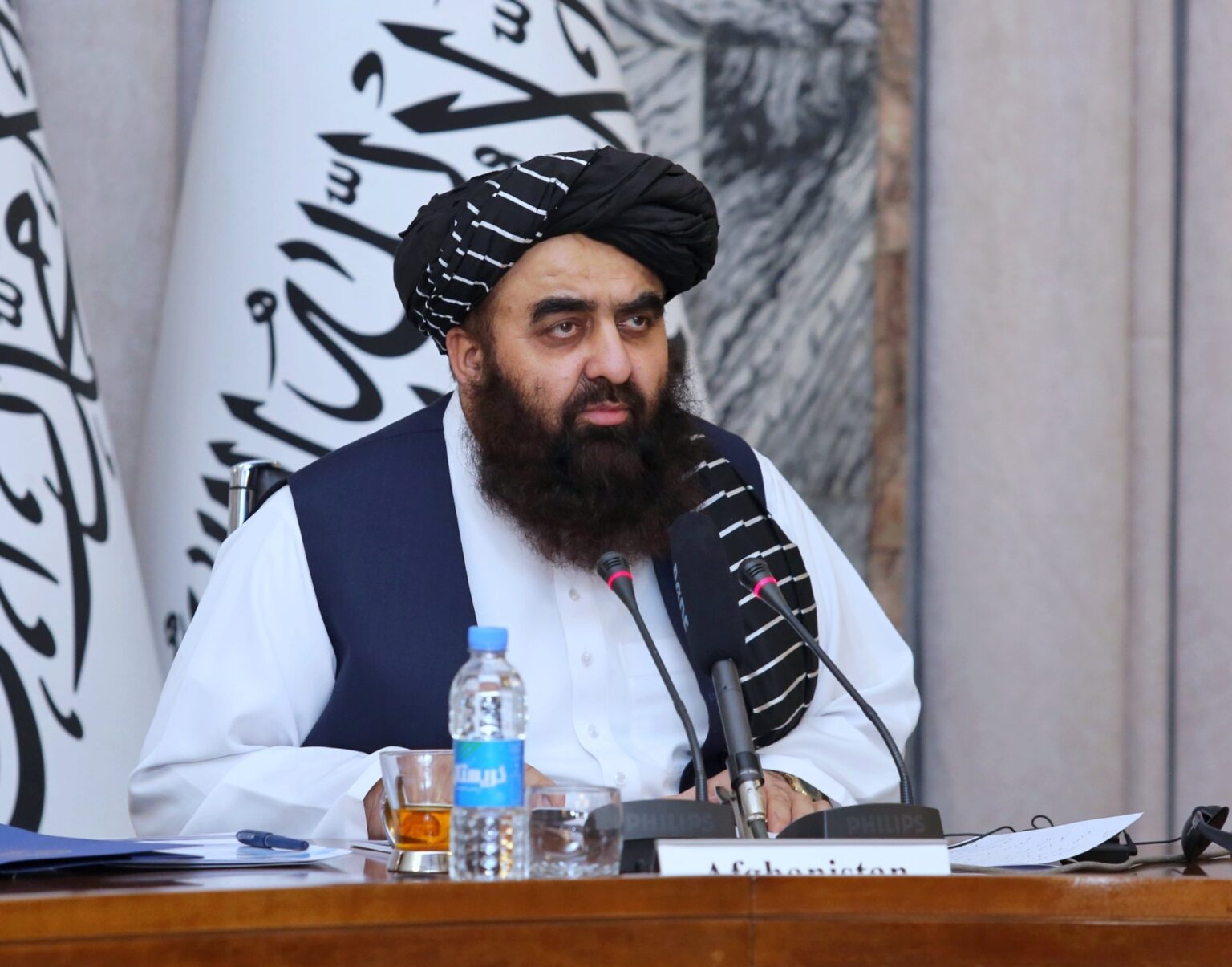
The Taliban’s Foreign Ministry issued a statement expressing hope that all stakeholders in Yemen, including Yemeni parties, would resolve the country’s challenges through dialogue and understanding, in order to prevent further instability.
The statement said the Taliban has been closely monitoring recent developments in Yemen and urged all parties to refrain from any actions that could threaten Yemen’s unity, stability, or regional security.
The Saudi-led coalition carried out an airstrike on the Yemeni port city of Al Mukalla on Tuesday, targeting weapons shipments reportedly transferred from the United Arab Emirates to a UAE-backed faction in Yemen.
The United Arab Emirates said it was caught off guard by the Saudi strike and stressed that the targeted shipments contained no weapons and were intended for UAE forces—not for the UAE-backed Southern Transitional Council.
Following the attack, tensions between Abu Dhabi and Riyadh escalated, with the UAE announcing plans to withdraw its forces from Yemen.
The UAE-backed Southern Transitional Council, initially aligned with Yemen’s internationally recognized government against the Houthis, has in recent days launched attacks on Saudi-supported government forces and called for the establishment of an independent government in southern Yemen.
On Tuesday, Saudi Arabia said it had grown frustrated with what it described as “pressure from the UAE” on the Southern Transitional Council to carry out military operations in Hadramawt and Al Mahrah provinces, viewing these actions as a threat to its national security.
Riyadh emphasized that any threat to its national security represents a red line and vowed not to hesitate in taking necessary measures to confront such challenges.