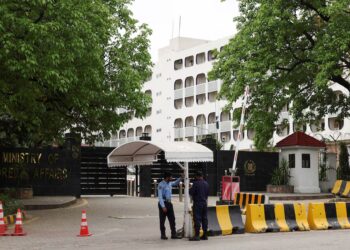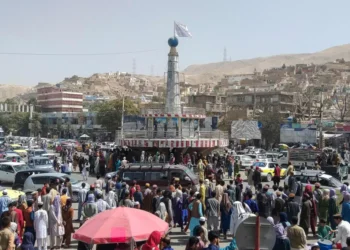
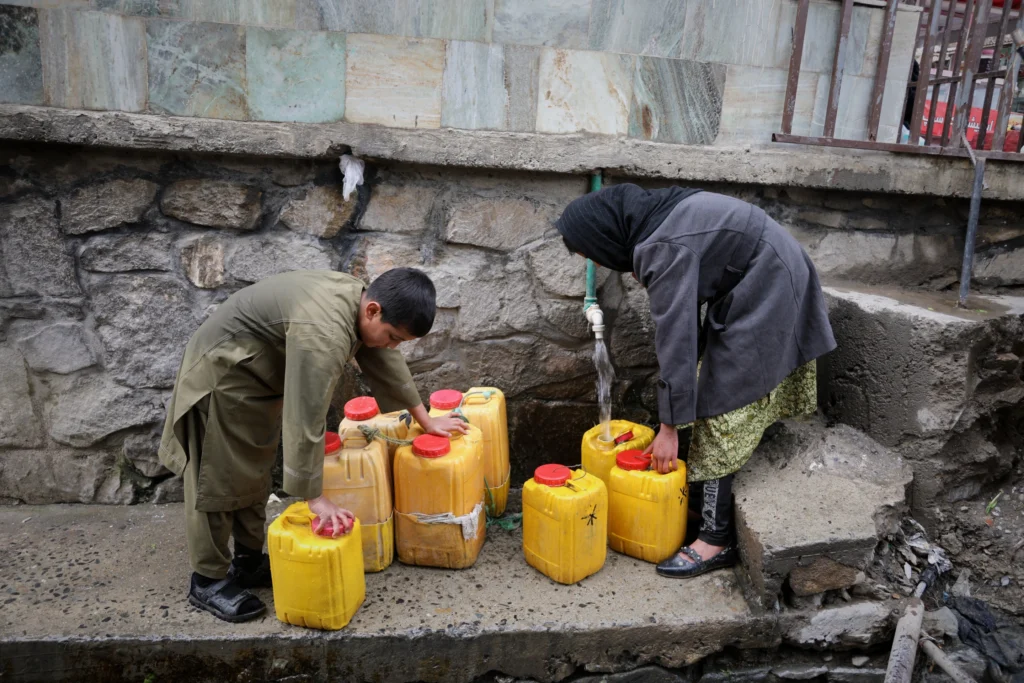
Taliban Ministry of Water and Energy spokesman Matiullah Abid told The Associated Press that due to a “water crisis” in Kabul, quotas have been set for large buildings and businesses such as car washes, and those who exceed the allowed limit may be ordered to leave the city.
He added that restrictions have been imposed on groundwater extraction by beverage companies, farmers, and other commercial users.
Abid stressed that the main causes of Kabul’s water crisis include rapid population growth, increased consumption, and declining rainfall.
He said the Taliban Ministry of Water and Energy has built check dams in 14 districts of Kabul and dug thousands of recharge wells to raise groundwater levels.
Work on two major projects that could significantly ease the crisis has been delayed: a roughly 200-kilometer pipeline from the Panjshir River and the Shah Toot dam and reservoir about 30 kilometers southwest of Kabul.
According to Mercy Corps, these two projects could supply water for around 4 million people. Water and environmental expert Najibullah Sadeed said: “The combination of these two projects would be a sustainable solution for the future.”
Kabul’s groundwater level is dropping at an alarming rate, and some wells now need to be drilled to depths of 150 meters to reach water.
Sadeed said recent rainfall has had little impact on the crisis, as extensive construction in Kabul has left almost no natural ground available for water absorption.
He added that poor water management has worsened the situation, pointing to beverage companies and greenhouses with high groundwater consumption as key contributors.