The United Nations Entity for Gender Equality and the Empowerment of Women said at a press briefing in Geneva that an overwhelming majority of Afghans want girls to continue their education, despite the Taliban’s ban.
According to a new door-to-door survey conducted by the agency, more than 90 percent of over 2,000 respondents nationwide—including both women and men in urban and rural areas—said girls’ education is critically important.
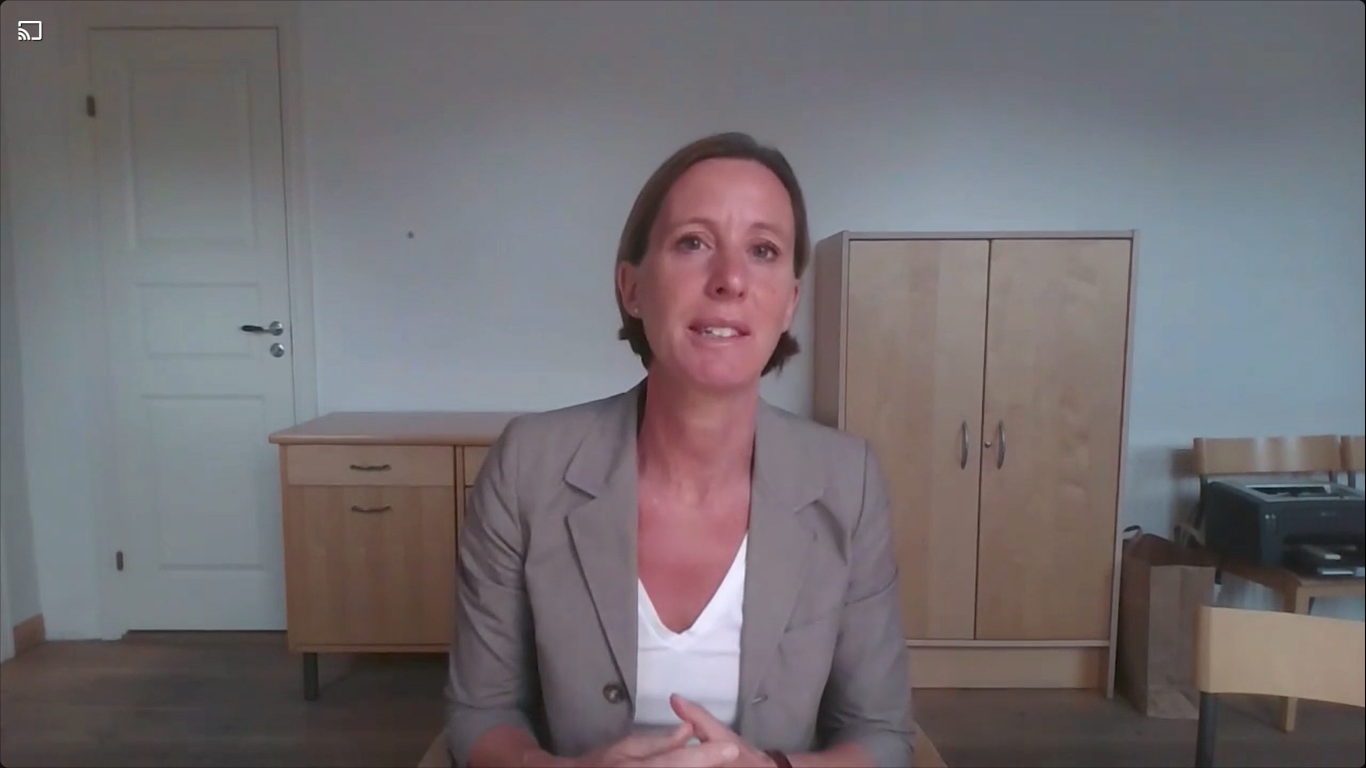
Sophia Kaltorp, head of humanitarian assistance for the agency, said: “These figures show that Afghans, regardless of restrictions, want their daughters to have the right to learn. In a country where half the population lives in poverty, education is the difference between despair and possibility.”
The findings appear in the agency’s new Gender Alert, released four years after the Taliban takeover and one year after the enactment of the group’s “moral code.” The report shows that 97 percent of women in areas where the ban on NGO work applies have been directly harmed, and three-quarters describe their mental health as “bad” or “very bad.”
Kaltorp emphasized that investing in local women’s organizations is essential, as these groups remain the only accessible channel for health services, psychosocial support, and social connection in contexts where women cannot leave home without a male guardian or speak to unrelated men. She added that these organizations are particularly vital for women and girls returning from Iran and Pakistan—part of the 1.7 million Afghans who have returned this year, many forcibly.
Despite the restrictions, more than half of Afghan women surveyed said they remain hopeful about the future and their ability to realize their ambitions. The agency urged the international community to respond to this hope and stand with Afghan women and girls.