We were a generation raised amid the sparks of war, among the echoes of explosions and the smell of gunpowder; yet even there, in the heart of destruction, we held onto a faint hope for tomorrow. We believed that despite corruption and shortcomings, the Republic would endure—something we could still repair, still improve. But August 15, 2021 changed everything: a day when Kabul lost its breath, and we learned that history can alter the fate of a nation in a single moment.
That morning, like any other, I set out with my camera and notebook, a young reporter chasing the day’s stories for a local newspaper. Kabul’s streets were full of murmurs and unease. From every corner, people whispered: “The Taliban are at the gates… the city is collapsing… they’re everywhere.” Yet few imagined that the capital would fall within hours. But gradually, the weight of an approaching catastrophe became visible in faces and glances. What follows is my firsthand account of Kabul’s fall—and a young journalist’s reflection on the collapse of the Republic.
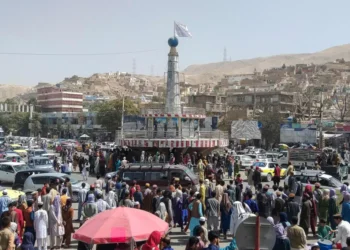
The morning began like any other: traffic horns, busy sidewalks, the rush of daily life. But only hours later, the scent of escape hung heavy over the city. Banks were more crowded than ever—people withdrawing money, clutching passports and flight tickets, desperately searching for a way out.
News spread at a dizzying speed. Every channel, radio station, and Facebook page carried a different narrative. Rumors and truth blended into confusion. The security forces had vanished from the streets. Government buildings were being emptied one by one; tricolor flags pulled down from their rooftops. Everyone was searching for an exit—some planning immediate escape, others scrambling to hide their past, and some—like me—simply trying to understand what had happened to a city that, even with its flaws, still carried a pulse.
As a reporter, I wanted to be in the middle of it all, yet my mind—like everyone else’s—was full of questions. If Kabul fell, what would become of our fragile liberties? What would happen to the women who had just begun to find their voice in universities and media? What about the future of education, rights, and identity?
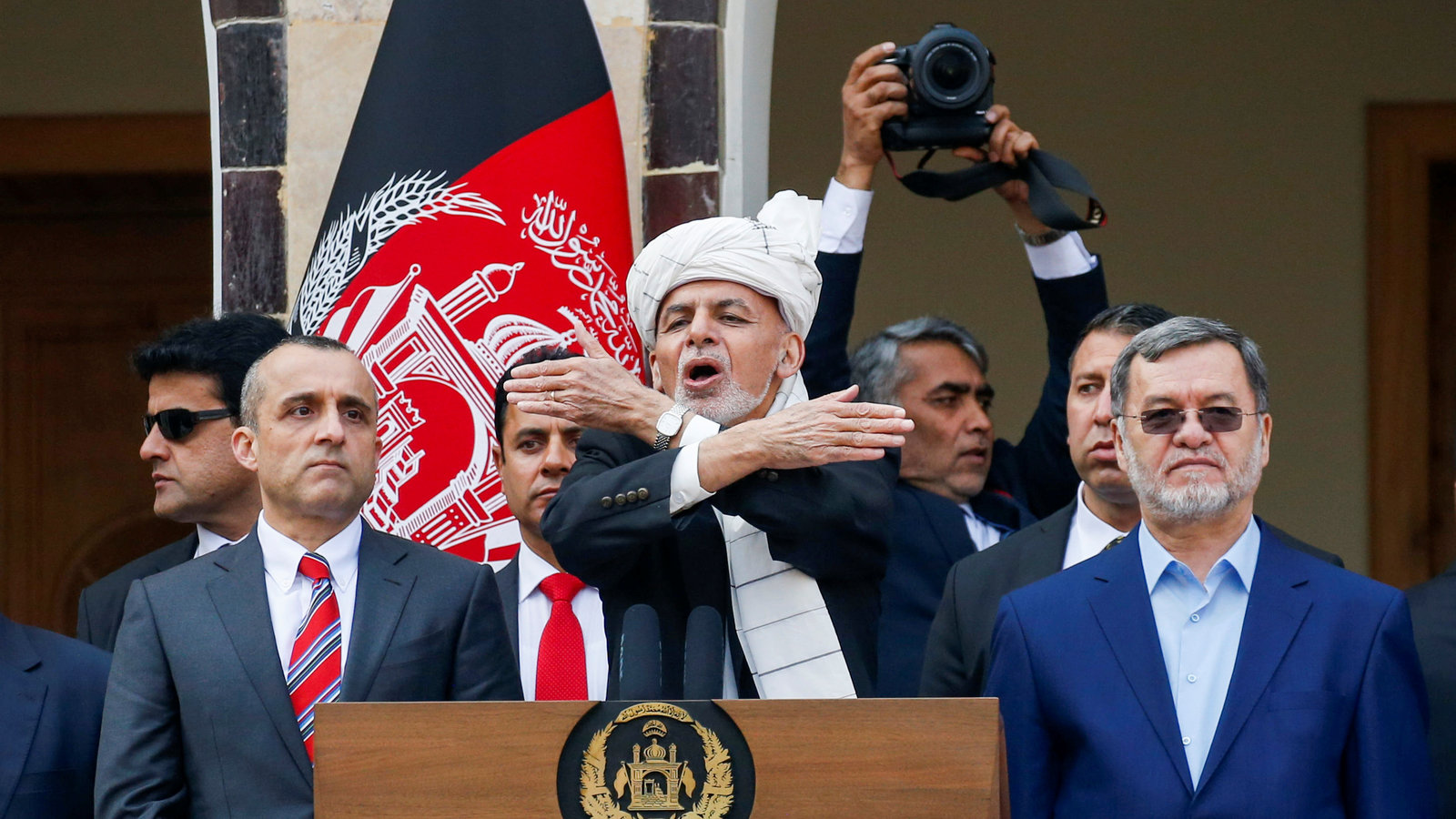
By noon, the news broke that the president had fled the country. It felt like an arrow piercing the last remaining thread of hope. Afghan leaders had abandoned the people before—but this time, their departure meant the loss of every achievement bought with the blood and sweat of millions.
Kabul’s fall did not unfold in a single day; it had been forming beneath the skin of the nation for years. Corruption, mismanagement, overreliance on foreign powers, and the absence of national will for reform had already hollowed out the state. Structural corruption—in security contracts, reconstruction projects, and across institutions—eroded public trust. Instead of seeing the state as protection, people saw it as a burden. Political divisions, ethnic rivalries, and the lack of national consensus created fertile ground for the Taliban. Instead of uniting under one flag, we became consumed with emphasizing our differences.
Meanwhile, our security forces—trained and equipped through foreign support—collapsed when that support was abruptly withdrawn. Leadership failures, poor decision-making, incoherent peace negotiations, and a disconnect from the people all contributed to the fall.
As a law student, that day taught me more than any textbook ever could: when the pillars of justice and the rule of law are weak, the entire structure of politics crumbles with a single push.
When the Taliban entered Kabul, everything changed in a matter of hours. Many of my colleagues in the media had to hide or flee. I, like countless others, stood at a crossroads: stay silent and survive, or leave my homeland. The Taliban arrived with vague promises of “governance under Sharia,” but soon reinstated the same restrictions our generation remembered from childhood. Women were barred from work and education; girls locked out of schools; and those who protested silenced through force. To erase women from public life is not merely a political decision—it is the removal of half a nation from its path to growth and rebuilding. The outcome is what we see today: mass migration of talent, pervasive poverty, and a generation drowning in hopelessness.
In short, the day Afghanistan fell was not just a date—it was an open wound. Kabul’s collapse proved that a country built on dependency and corruption will inevitably crumble. It showed that power without genuine public support and accountable leadership cannot survive. As someone who witnessed that day up close—and as a law student who has felt the sting of lawlessness—I believe the greatest betrayal of a nation is political corruption and the abandonment of its people. Today, that betrayal weighs heaviest on the women of Afghanistan.
Kabul may breathe again someday—but unless our leaders learn from history, its breath will remain shallow, fragile, and at risk of fading once more.