The direct war between Iran and the United States and Israel, which began on February 28, with large-scale strikes by Israel and the US on Iran, has not only significantly altered the political dynamics of the Persian Gulf but also challenged the long-held notion of “relative security” in the region. Arab states that initially sought to play a mediating role and keep themselves in the “safe haven” are now facing the direct consequences of the conflict, shifting their approach from “relative neutrality” to an emphasis on “legitimate defense.”
Prior to the outbreak of hostilities, Iran’s relations with Arab countries were in a complex state. Iran was accused of supporting armed groups in countries such as Iraq, Syria, and Lebanon, contributing to persistent mistrust among the parties. Meanwhile, Iran’s relations with some Gulf states—particularly Saudi Arabia—remained tense. An agreement reached in March 2023 with Chinese mediation between Saudi Arabia and Iran, while restoring diplomatic ties, failed to produce a lasting reduction in tensions.
In this context, Saudi Arabia and the United Arab Emirates announced one month before the attacks that their airspace and territory would not be used for potential US strikes against Iran. At the same time, countries such as Qatar and Oman acted as communication channels between Tehran and Washington. This position was based on the assumption that maintaining distance from the conflict could guarantee security.
However, with the onset of war, this assumption quickly collapsed, and realities on the ground proved otherwise. As the conflict expanded, US military bases in some of these countries effectively became part of the war equation, undermining the previously emphasized security buffer. As a result, countries that considered themselves a “safe haven” were not only unable to avoid the consequences of the war but also came under direct retaliatory attacks. These developments clearly show that the “illusion of security” in the Persian Gulf has lost its previous relevance.
Geopolitical Importance of the Persian Gulf
At the same time, the conflict has further underscored the geopolitical importance of the Persian Gulf. As a major supplier of global energy, the region holds a vital position in the world economy. In particular, the Strait of Hormuz is one of the most critical energy chokepoints, through which a significant portion of global oil and gas passes. Any tension along this route can directly affect global energy markets. This dependence has turned instability in the Gulf from a regional crisis into leverage of global pressure.
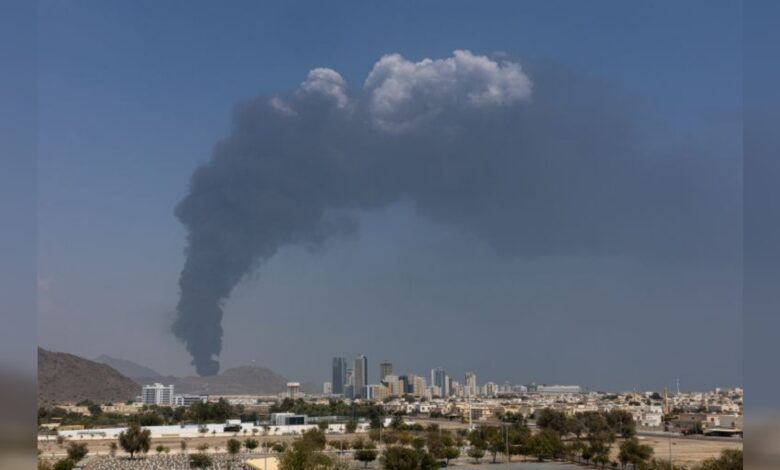
Within this framework, retaliatory strikes and the widening scope of the conflict have directly impacted Arab states. Reports indicate that energy facilities in some countries, including Saudi Arabia and Kuwait, have been targeted by Iran, leading to reduced oil production and increased economic pressure. These developments suggest that the conflict has evolved from a limited confrontation into a “full-scale regional crisis”.
Joint Statement
In response, Bahrain, Kuwait, the UAE, Oman, Qatar, Saudi Arabia, and Jordan issued a joint statement on March outlining their collective position on the war. The statement reads in part, “The Islamic Republic’s actions represent a dangerous escalation that violates the sovereignty of multiple states and threatens regional stability. The targeting of civilians and of countries not engaged in hostilities is reckless and destabilizing behavior.” The statement also emphasizes the right to “self-defense,” indicating that Arab states no longer see themselves as mere observers but as part of the region’s security equation.
Military Dimension and Escalation
So far, the United Arab Emirates has been one of the primary targets of Iranian missile and drone attacks, with Abu Dhabi and its airport reportedly struck. At the same time, the use of US military bases in the region—including in Qatar and Bahrain—has further complicated the position of host countries. Iran considers attacks on US bases in these countries as its “legitimate right”, and reports suggest that hundreds of missiles and drones have been launched toward Gulf Arab states between 28 February and March 16.
Rising Threats
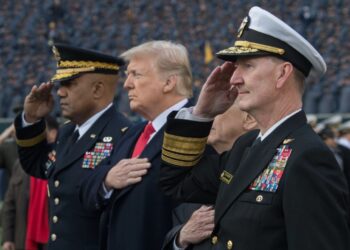
After US President Donald Trump gave Iran a 48-hour ultimatum to reopen the Strait of Hormuz “without threat” and “without conditions” or face strikes on its power infrastructure, Iran warned in response that it would target critical infrastructure across the region if such threats were carried out. These include desalination plants, power facilities, and ports in Gulf Arab states.
Nevertheless, Qatar and Oman continue to serve as diplomatic channels and are attempting to prevent further escalation. Under these conditions, Gulf Arab states are navigating a risky path between diplomacy and rising tensions.
Despite reports of negotiations between Iran and the United States, the reality is that the Persian Gulf remains in a fragile state—one in which not only regional security but also the very notion of a “safe haven” has been fundamentally called into question.