Today, as I tried to write down the memories of that “dark and bitter” day, I didn’t know where or how to begin. The truth is that every time I think about that day, and the days leading up to it, a mountain of pain and sorrow overwhelms me. Years of war, bloodshed, and the rise of the extremist Taliban movement brought countless hardships upon the people of Afghanistan.
Looking back at those days and the events of recent years, one sees that pre-collapse Afghanistan—despite all its wounds and traumas—was still standing, still breathing, still searching for a way to keep itself alive.
The cities, even with the smoke and the smell of gunpowder, were alive. Every morning, the chirping voices of schoolchildren echoed through the streets like sparrows. You could hear the footsteps of fathers heading to work, hoping to earn a lawful living. Mothers prepared food and schoolbags with love and anticipation. Despite all the disorder, a spark of hope—however faint—still glimmered in people’s tired, dusty eyes.
But at the same time, Taliban attacks grew more aggressive by the day. People’s excitement slowly turned into fear as the war intensified, destruction increased, and backroom deals—where the public had no place—became more evident. Kabul’s fall was not sudden; every day smelled of betrayal, every day carried whispers of collapsing frontlines in the provinces. Yet the people of Kabul held onto a fragile hope: our security forces and our leaders will protect us.
I, too, continued my work with the same determination, despite the alarming news. Every day, going to the office and returning home, the fear of yet another explosion followed me. Still, I kept working. Whenever a blast occurred, I received dozens of calls from family within moments. Those days—half enthusiasm, half dread—became a bitter routine.
Until one day at work, I suddenly heard my colleagues shouting. They said everyone had already left the ministry and only we remained. Shocked, I asked: “Why? It’s not even close to closing time.” They responded in panic: “Don’t you know? The Taliban have entered Kabul.” I rushed to the courtyard and saw people fleeing the building in fear. I returned to my office, picked up my personal belongings, locked away important documents, and stepped outside.
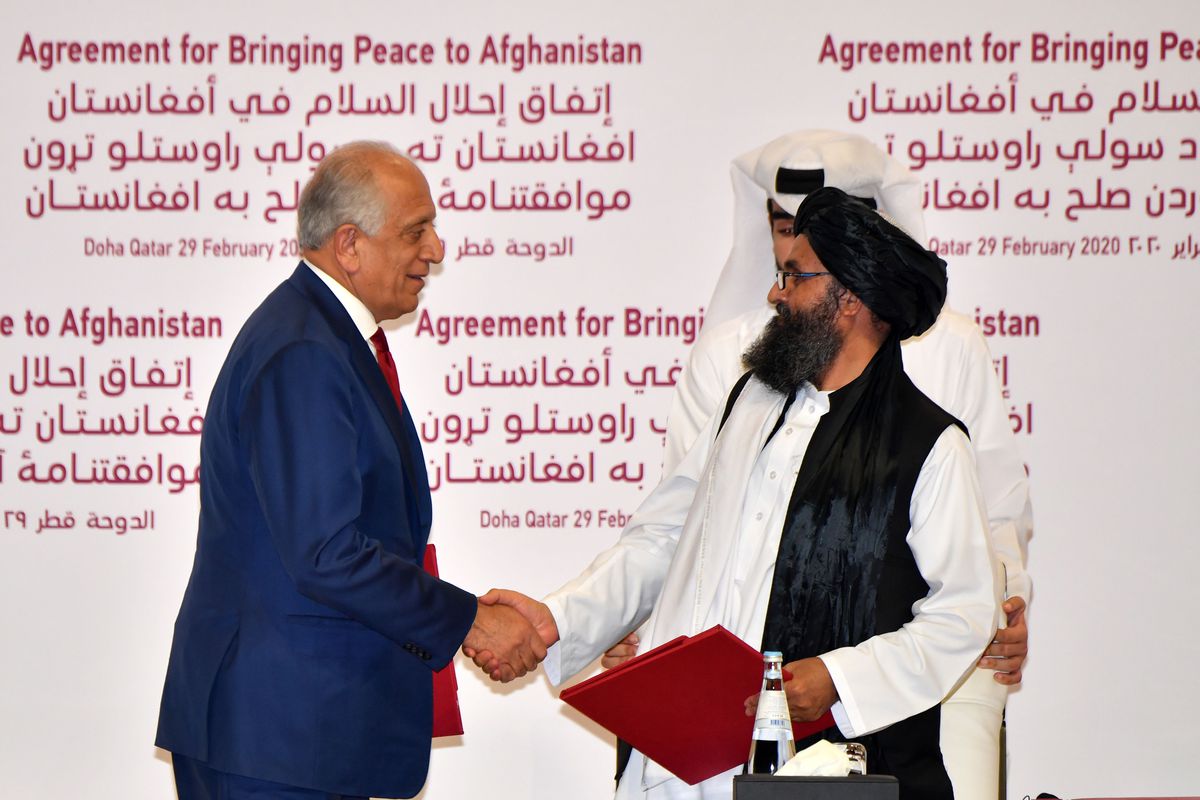
The Taliban’s arrival was the product of the Doha Agreement—a deal that opened the gates of the city and political power to a group that had killed thousands with bombs and suicide attacks. On the day the government collapsed, it felt as though apocalypse had arrived. People ran in confusion, searching for safety.
The Taliban entered Kabul—disheveled, unkempt, dressed in dirty clothes, with harsh and unfamiliar faces. They looked like men who had not seen water or a city in years. Their presence terrified the people. To Kabulis, they were like zombies—creatures whose arrival devoured dreams, futures, and hopes.
No one imagined the collapse would be this cruel or this destructive—one that would hurl an entire nation back into the medieval age. I tried desperately to flee the country but failed, and remained in Kabul. Then came the heartbreaking scenes: crowds storming the airports, bodies falling from airplanes, dust-covered faces, and terrified eyes. People understood that their sacrifices had not been lost on the battlefield, but in a political bargain made behind closed doors.
With the Taliban’s return, the exodus of educated and talented Afghans surged. Death threats, revenge killings, extremist rule, unemployment, poverty, political instability, and the absence of any safe future pushed people to leave. Those who could not live under Taliban ideology saw no place for themselves in the country.
Through repression, stripping of civil freedoms, arbitrary arrests, and violations of human rights, the Taliban turned Afghanistan into a vast prison for anyone who did not think like them. The country became more chaotic, isolated, and crisis-stricken than ever.
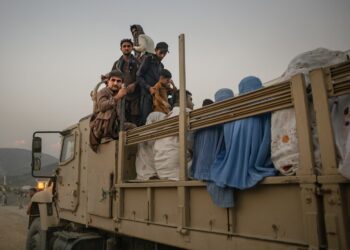
Eventually, I too could no longer bear life under Taliban rule. Like thousands of others, I chose the difficult, dangerous path of migration. Every departing scholar or professional “holds death in their palm,” but still chooses exile over living under the Taliban. A new chapter of migration began; millions left their homes.
But leaving is never easy. Migration is the beginning of an endless sorrow. Afghanistan—with all its insecurity and poverty—was still home. A place where, despite everything, one felt ownership over one’s destiny. The fall of Afghanistan was not merely the fall of a government or an army, but the collapse of a dream: the dream of building our homeland with our own hands.
When the Taliban entered Kabul, they didn’t just replace the tricolor flag with a white one—they turned that white flag into a shroud for burying the dreams of an entire generation. Over the past four years, we have scattered across the world like leaves in the wind. In this dispersion, we share one feeling: homelessness—a feeling that tears us away from our aspirations and from the meaning of life itself.
Today, in a small room in Paris, I write these memories, and the images of those cursed days are still vivid before my eyes. The pain of exile, the pain of displacement, and the pain of shattered dreams still live within me. When I leave home and see the metros, the fast trains, the trams, and the modern structures of Paris, a sigh escapes my heart: if only Kabul had known such days.
But what is Kabul, really, that we speak of it with such longing? Perhaps it is simply the place where we grew up, where our dreams and aspirations were born—the place where our families still live. I end this piece with that question, and with a wish for the health and safety of all my fellow Afghans across the world, hoping for the day when we may return home and build new dreams together.